
EpiAxis Therapeutics is developing novel reversible macrocyclic peptide inhibitors of LSD1, an enzyme that drives treatment resistance in advanced cancers. By targeting LSD1’s role in the neuroendocrine transition, our approach aims to extend the effectiveness of existing therapies in prostate, colorectal, and small cell lung cancers.
With strong science, a lean leadership team, and guidance from world-class advisors, we are advancing toward a first-in-human study by mid-2026.
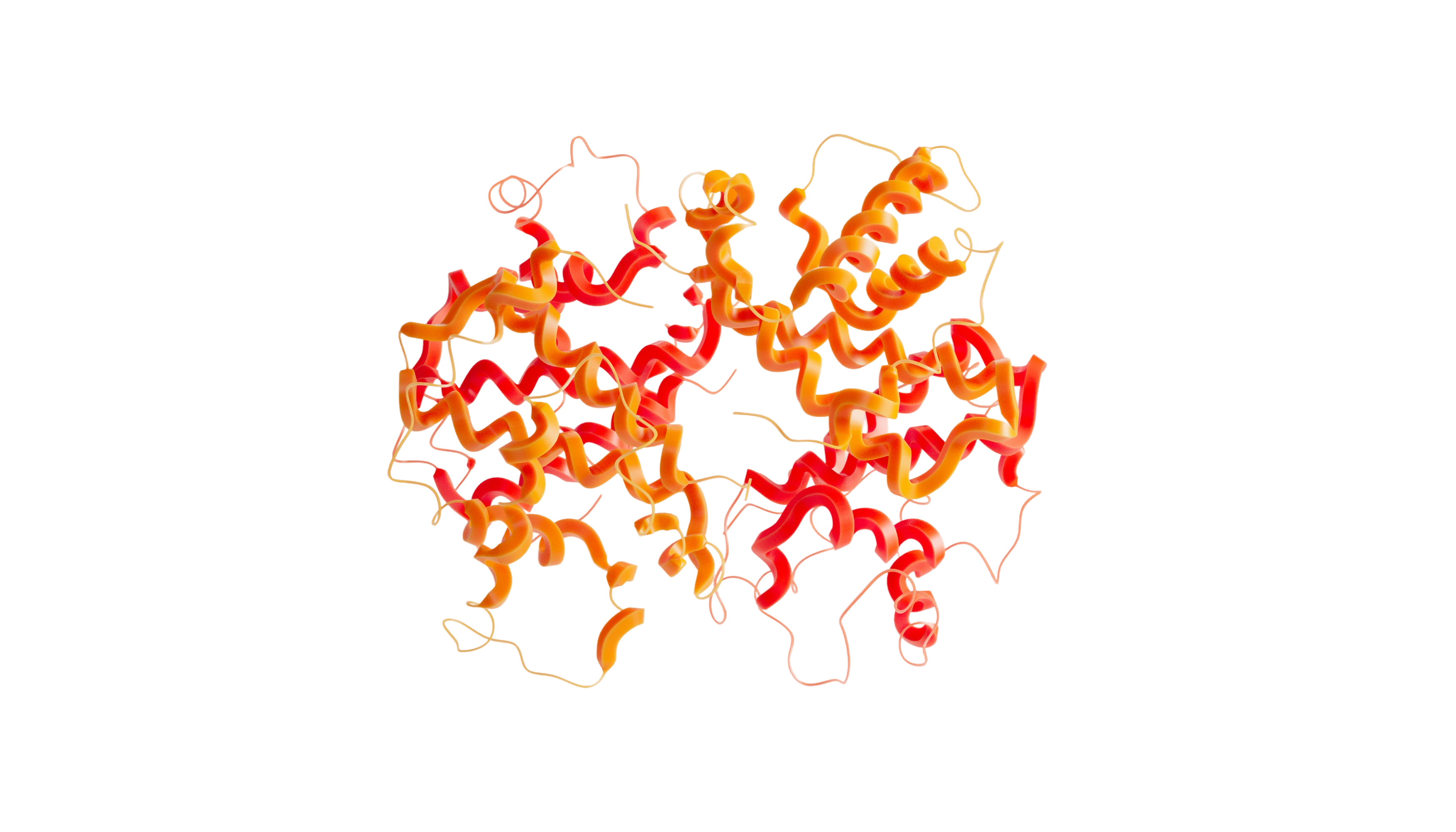
EpiAxis is pioneering reversible cyclic peptide inhibitors of LSD1, designed to overcome the limitations of first-generation approaches and extend the impact of existing cancer therapies. Our work is guided by a clear scientific focus, a differentiated mode of action, and global collaborations.

LSD1 is a validated cancer driver, implicated in both blood and solid tumours. In advanced prostate, lung, and colorectal cancers, LSD1 fuels the transition to a neuroendocrine state - a phase where tumours become highly aggressive and resistant to treatment. By interrupting this process, EpiAxis aims to keep cancers responsive for longer and extend the effectiveness of existing therapies.
Our approach is focused on tackling treatment resistance at its root, offering new hope for patients in indications where effective options remain scarce. With a focus on high unmet need, we are advancing therapies in metastatic castration-resistant prostate cancer, small cell lung cancer, and colorectal cancer - cancers that urgently require innovation.
LSD1 biology is complex: while it is essential for tumour growth, it also plays a critical role in normal platelet formation. First-generation inhibitors irreversibly switched off all LSD1 activity - a “sledgehammer” approach that led to dangerous on-target toxicities such as severe thrombocytopenia (low platelet counts).
EpiAxis takes a different path. Our reversible macrocyclic peptides allow precise control over LSD1 activity, aiming to suppress tumour growth while sparing normal platelet function. This balance of potency and safety creates the opportunity for broader clinical use, including in combination with immuno-oncology and other emerging therapies.
Our macrocyclic peptide inhibitors are designed to combine high potency with carefully tuned selectivity. In preclinical models of prostate cancer, they have demonstrated significant tumour reduction, outperforming leading late-stage LSD1 candidates.
This innovation is powered by our proprietary DNA-encoded library (DEL) screening platform, which enables the rapid exploration of more than 100 billion molecules. Through this platform, we have generated multiple novel peptide families protected by strong intellectual property.
We are now advancing our lead programme toward the clinic, with candidate and indication selection expected by Q2 2026. A first-in-human Phase I study in healthy volunteers is planned thereafter, creating a clear path to delivering a clinically de-risked asset and building meaningful value for patients and shareholders alike.